This content was created by the expert using AI-assisted tools for writing and imagery.
Crafting Emotion-Driven Visual Identities: A Step-by-Step Guide to Captivating Your Audience
Professional insights and practical strategies from our AI-driven content experts
Executive Summary
Imagine stepping into a bustling Belgian market, scented with freshly baked waffles and the rich aroma of Bloffee's signature espresso blend. Every stall sings with vibrant colours and lively banter, yet one stands out—a small kiosk with a logo that feels like a warm embrace and visuals that tug at your heartstrings. How did they manage to create such a captivating impression? Bienvenue to "Crafting Emotion-Driven Visual Identities: A Step-by-Step Guide to Captivating Your Audience." I'm Amy vanderVoort, your go-to guide for transforming your brand into a memorable experience for your audience. In this guide, we'll embark on a creative journey together, exploring how to infuse emotion into your brand visuals so you can connect deeply with your audience. From tapping into the psyche behind colour choices to crafting logos that speak volumes, I’ll share practical tips and storytelling techniques that will give your brand an authentic, emotional edge. Whether you’re an enthusiastic startup founder or a small business owner ready to make a big impact, you’ll find the tools and inspiration you need to elevate your brand, all without breaking the bank. So, grab your cup of Bloffee and let’s create something unforgettable!
Introduction to Emotion-Driven Visual Identities
Introduction to Emotion-Driven Visual Identities
What is a Visual Identity?
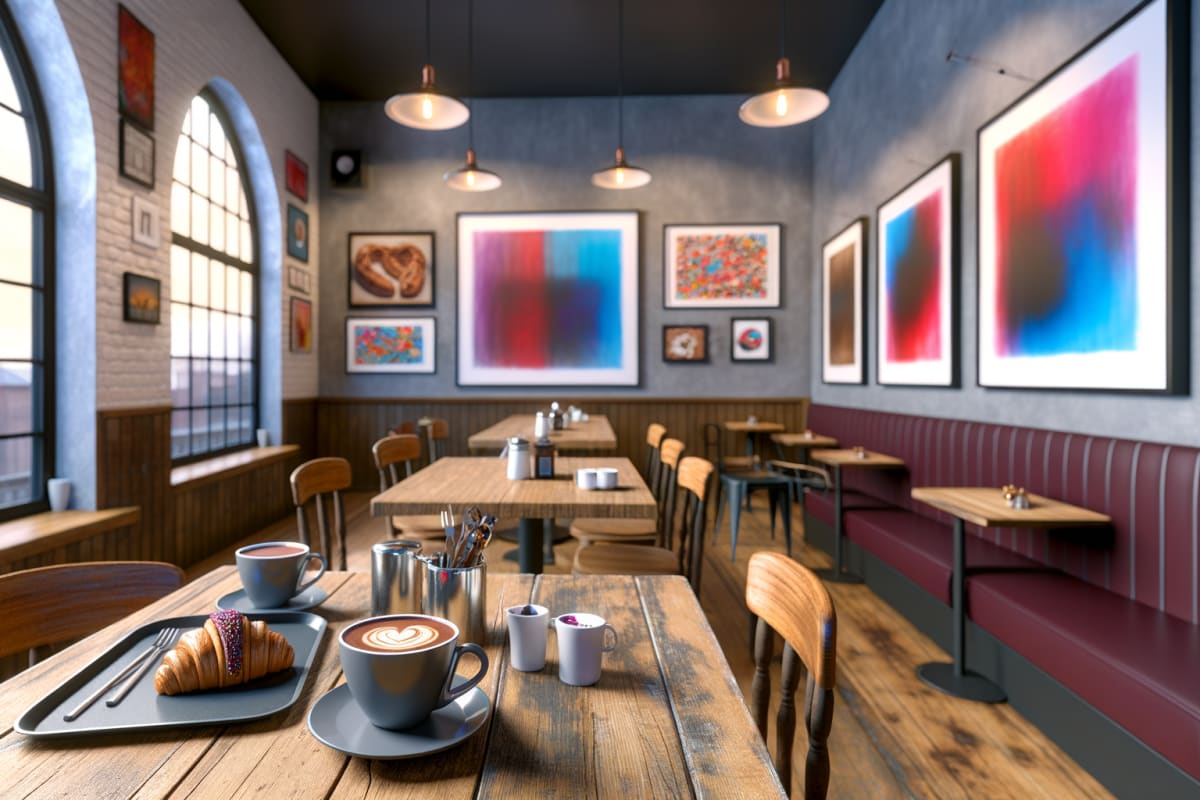
Imagine walking into your favourite café. The aroma of freshly brewed coffee, the cosy chairs, and the vibrant artwork on the walls create an atmosphere that's uniquely theirs. This is similar to what a visual identity does for a brand—it’s the sensory experience that shapes how people perceive and connect with it. A visual identity includes elements like logos, colour schemes, typography, and imagery, all working together to tell the brand's story. It's like a brand's unique fingerprint, instantly recognisable and brimming with personality. As a brand strategist, I often compare it to building a home; every design choice adds another layer of warmth and character.
The Power of Emotion in Design
Design isn't just about aesthetics; it's a powerful tool for evoking emotions. Think of how a simple colour change can alter your mood—like the difference between a calming blue and an energising red. When brands tap into these emotional cues, they create deeper connections with their audience. For example, a brand like Bloffee, which combines bold visuals with a playful tone, instantly makes you feel energised and eager to engage. By weaving emotion into visual identities, brands can transcend the ordinary, creating loyal communities around shared feelings and values. Remember, it's not just about looking good; it's about feeling good, too. And that’s the magic of emotion-driven design!
Understanding Your Audience
Understanding Your Audience
Identifying Audience Emotions
Salut, mes amis! Let’s dive into the heart of brand strategy—understanding your audience. Imagine you’re at a cosy café, and you want to know what your customers are truly feeling as they sip their lattes. Are they excited, curious, or perhaps a bit overwhelmed? Identifying these emotions is like tuning in to the heartbeat of your audience, and it’s key to creating a brand story that resonates.
Consider this: you're launching a new coffee blend and want to connect with busy professionals. Tap into their emotions by understanding their daily hustle. What stresses them, what delights them? By doing so, you can craft messages that speak directly to their experiences, like a warm chat with a friend who just gets it.
Conducting Audience Research
Now, how do we uncover these emotions, je vraagt je af? It starts with conducting effective audience research. Step one: engage with your followers on social media. Platforms like Instagram or Twitter are goldmines for feedback. Ask questions, run polls, and don’t shy away from direct messages.
Another creative yet practical tool is Bloffee.com, where you can explore insights into consumer behaviour and trends. Use these insights to build personas that reflect your audience's reality. It's like painting a vivid picture of who they are, so you can speak their language fluently.
Remember, understanding your audience isn’t just about data; it’s about empathy. When you truly connect, your brand becomes more than just a product—it becomes a part of their story. And there is something truly magical in that, n'est-ce pas?
Crafting Your Visual Identity
Creating a visual identity is like painting a portrait of your brand. It's not just about aesthetics; it's a lively conversation between you and your audience. Let's dive into the essential elements that will make your brand stand out.
Choosing the Right Colour Palette
Choosing the right colours is like picking the perfect outfit for a first date. You want to look good, but you also want to feel like yourself. Colours evoke emotions and can influence perception. Think about your brand's personality: are you vibrant and energetic or calm and trustworthy? For instance, Bloffee, a delightful coffee shop, uses warm browns and greens to evoke comfort and sustainability. Play with colour combinations that match your brand's vibe, and don’t be afraid to experiment!
Typography and Its Emotional Impact
Typography is more than just letters on a page; it's the voice of your brand. The choice between a bold sans-serif or an elegant script can significantly alter how your message is received. Imagine reading a heartfelt letter in Comic Sans—c’est un désastre, right? Opt for typefaces that align with your brand's essence. For example, a quirky café might choose playful fonts, whereas a consultancy firm might lean towards something more refined.
Using Imagery to Tell a Story
Imagery is your brand's storyteller. A single image can convey a thousand words, so select visuals that resonate deeply with your audience. Consider using authentic photos that reflect real moments rather than stock images, which can feel impersonal. If your brand is about adventure, showcase images of real people exploring the world. Remember, every image should serve a purpose and connect with your audience on an emotional level.
Creating a visual identity is an exciting journey. Embrace your creativity, stay authentic, and remember, your brand is a living, breathing entity that evolves just like you do.
"Success in content marketing isn't about creating more content, it's about creating content that creates more success."— Bloffee AI Expert
Integrating Emotion into Design Elements
Creating an emotional connection through design is like weaving a rich tapestry that tells your brand's story. It’s about making your audience feel something. But how do you do that consistently across different platforms?
Creating Consistent Branding Across Platforms
Imagine your brand is like a beloved Flemish tapestry—each thread and colour carefully chosen to create a cohesive picture. Your brand should evoke the same emotions whether your audience interacts with you on Instagram or visits your website. Start by defining your brand’s core emotions. Are you aiming for comfort, excitement, or perhaps a sense of adventure? Once you’ve got that, ensure every element—be it colour, typography, or imagery—mirrors these emotions. For example, if warmth is your goal, use soft, earthy tones and friendly fonts. Remember, consistency breeds familiarity, and familiarity fosters trust.
Balancing Emotion with Functionality
While it’s crucial to infuse emotion into your design, it shouldn't compromise functionality. Think of it like crafting a fine Belgian chocolate—rich in flavour but smooth in texture. Your design should be emotionally engaging yet intuitive to navigate. For instance, an e-commerce site might use vibrant colours to create excitement but should also ensure the purchase path is clear and simple. Always test your designs to see if they resonate emotionally while still being user-friendly.
Incorporating emotion into design is a dynamic balancing act, but with a bit of creativity and strategic thinking, you can create a brand experience that truly speaks to your audience. Keep weaving those emotional threads, and your brand will not only be seen but felt.
Case Studies of Successful Emotion-Driven Visual Identities
In today's marketing landscape, crafting a visual identity that resonates emotionally with your audience can be a game-changer. Let's dive into two inspiring case studies that illustrate how emotion-driven branding can make all the difference.
Brand A: Evoking Nostalgia
Ah, nostalgia—it's like a warm cup of cocoa on a chilly day! Brand A, a delightful vintage clothing company, has mastered the art of evoking nostalgia. Their visual identity is a time machine that transports customers straight back to the swinging sixties. With a carefully curated palette of retro hues and whimsical typography reminiscent of old-school advertisements, they breathe life into forgotten eras. What really sets them apart is their use of sepia-toned imagery and playful, hand-drawn illustrations. These elements don't just sell clothes; they tell stories, reminding customers of cherished memories and simpler times. The result? A loyal community of enthusiasts who feel a deep, emotional connection to the brand. For more inspiration on storytelling through visuals, check out bloffee.com.
Brand B: Inspiring Trust
Trust is the cornerstone of any strong brand, and Brand B, a small fintech startup, has nailed it. How, you ask? By crafting a visual identity that exudes reliability and transparency. Their colour palette is calming and composed, featuring shades of blue and white that evoke serenity and honesty. Clean lines and minimalist design elements further reinforce their commitment to clarity and straightforwardness. But the pièce de résistance is their choice of authentic, real-world imagery—photos of their team at work, candid and approachable. This not only humanises the brand but also builds a bridge of trust with their audience. By showing who they are, they invite customers to believe in them.
These case studies prove that by understanding the emotions you wish to evoke, you can create a visual identity that truly resonates. Remember, it's not about being perfect; it's about being authentically you!
Measuring the Impact of Your Visual Identity
Creating a visual identity that stands out is a bit like crafting a well-brewed cup of coffee—there’s an art to it, but you also need the right ingredients. So, how do you know if your visual branding is hitting the mark? Here’s where we dive into some metrics.
Metrics to Track Success
To understand if your visual identity is making waves, you’ll want to keep an eye on a few key metrics. Start with engagement rates on your social media platforms; these are like the aroma that draws others to your brand. Are your followers interacting with your posts more than before? Platforms like Instagram and Pinterest are visual playgrounds, perfect for this sort of analysis. Also, look at website traffic and bounce rates. A consistent visual identity can be like the comfy chair in a café—inviting people to stay longer and explore. Tools like Google Analytics or a peek at bloffee.com offer insights that are both detailed and easy to digest.
Iterating Based on Feedback
Once you’ve got the data, it’s time to blend it into your next move. Collect feedback from your audience—think of it as your secret ingredient. Maybe your logo isn’t as memorable as you thought, or your colour palette doesn’t quite resonate. Be open to tweaking and experimenting. Share a survey or host a casual chat on social media to gather real opinions. Remember, even the best barista doesn’t get the brew perfect every time, but they keep trying until they do. Keep your brand fresh and engaging by being receptive and ready to adapt.
Your brand’s visual identity isn’t just the cherry on top; it’s the whole cake. By measuring and iterating, you’ll ensure your brand continues to resonate authentically with your audience. Voilà, c’est tout!
Frequently Asked Questions
How do I start creating an emotion-driven visual identity for my small business?
Ah, the magic of beginnings! Start by diving deep into your brand's core – what emotions do you want your audience to feel when they encounter your brand? Perhaps it’s joy, trust, or even a bit of intrigue. Once you’re clear on that, translate these emotions into visual elements like colours, typography, and imagery that resonate with your brand’s story. Remember, your visuals should be like a charming Flemish storyteller painting a picture that captivates and sticks!
What role does storytelling play in developing a visual identity?
Storytelling is the heart and soul of any brand’s visual identity, mon cher ami! When you weave your brand’s narrative into your visuals, you create a connection that’s both memorable and meaningful. Imagine your logo, colours, and imagery as characters in your brand’s tale, each playing their part in conveying your unique story. It’s like bringing the rich tapestries of Flemish art to life on the digital canvas!
Can I create a strong visual identity on a tight budget?
Absolutely, you can! A captivating visual identity doesn’t need to cost the earth. Focus on consistency and creativity. Use tools like Canva or Bloffee to design stunning visuals that align with your brand’s emotions and story. Tap into free resources, and don’t be afraid to experiment. Think of it as crafting a beautiful piece of art with the finest threads of creativity and passion, even if your budget is as tight as a pair of skinny jeans after a good waffle!
How can I ensure my visual identity is consistent across all platforms?
Consistency is key, my friend! Develop a brand style guide that outlines your colours, typography, imagery, and tone of voice. This guide will be your bible, ensuring that every piece of content, from social media posts to business cards, sings the same harmonious tune. Picture it as your brand’s own little orchestra, where every instrument plays in sync to create a symphony that’s recognisably yours.
Why is it important to have a unique tone of voice in my visual branding?
Your tone of voice is the personality that shines through your visuals and words. It’s what makes your brand relatable and distinct. A consistent tone of voice helps you connect with your audience on an emotional level, making your brand feel like an old friend rather than a stranger. It’s like speaking a dialect that only you and your audience understand, creating a secret club of sorts, where everyone feels seen and valued.
Want automated content like this?
Discover how Bloffee can automate your content marketing with AI-driven solutions