Harnessing the Power of Visual Search Engine Optimization: A How-to Guide for 2026
Professional insights and practical strategies from our AI-driven content experts
Executive Summary
Hey daar! Welcome to a fresh lens on boosting your online presence—something we all need, especially if you're a small business owner, content creator, or marketing whiz in the Netherlands or Belgium. I'm Gregor Hanssen, your friendly guide to the world of Visual Search Engine Optimization (VSEO). Imagine this: 62% of Gen Z and Millennials prefer visual search capabilities over any other new technology. Ja, you heard right! This tells us one thing—visual is the future. In this guide, we're going to take a deep dive into the fascinating realm of VSEO. I'll show you how to tap into visual search algorithms like never before. From optimising your images for Google's ever-evolving search engine to using YouTube's powerful visual tools, we'll break it all down into simple steps. You’ll discover actionable tips, complete with screenshots and before-and-after comparisons, to make it all lekker and straightforward. Whether you're just starting or trying to climb to the next level, this guide will set you up for success by 2026. Ready to transform those pixels into power? Let’s get started!
Introduction to Visual Search Engine Optimization
Introduction to Visual Search Engine Optimization
Understanding Visual Search
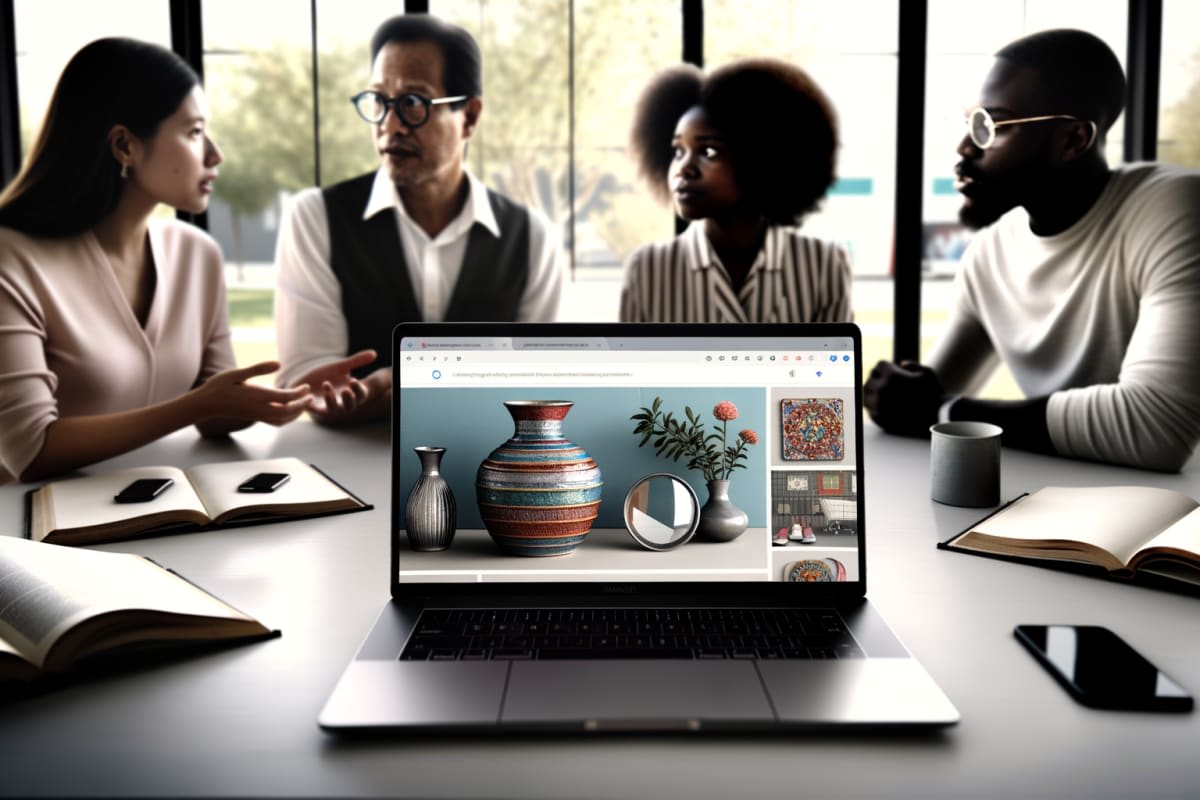
Hoi, friends! As we step into the ever-evolving world of SEO, visual search is gaining a lot of aandacht. Imagine walking into a winkel, spotting a beautiful vase, and instantly finding it online with a simple photo. That's the kracht of visual search! Unlike traditional text-based search, visual search uses images to deliver results. It's powered by advanced AI algorithms that analyse colours, shapes, and even text within images to match users’ queries with relevant content. This is especially handy for e-commerce where visuals play a crucial role in the buying process.
Importance of Visual SEO in 2026
Fast forward to 2026, and visual SEO will be a major speler in the digital marketing arena. With platforms like Google Lens and Pinterest Lens already paving the way, the trend is only set to grow. In fact, studies project that by 2026, a significant portion of online searches will be visual-based. For businesses, this means optimising images with alt text, creating detailed image sitemaps, and ensuring that images are high-quality and relevant to the content. It's all about making your visuals as discoverable as possible. By implementing visual SEO strategies now, you’re not just preparing for the future—you’re staying ahead of the competition. So, grab your camera and start visualising your SEO strategy! Remember, a picture is worth a thousand woorden, but an optimised picture is worth a thousand clicks.
The Evolution of Visual Search Technology
The Evolution of Visual Search Technology
Brief History
Visual search technology has come a long way since its inception. Initially, it was limited to basic image recognition capabilities. Do you remember the early days of Google Images? Back then, the search results were primarily driven by text-based metadata. As we moved into the 2010s, advancements in machine learning and artificial intelligence began to revolutionise this space. Companies like Pinterest and Google started developing algorithms that could understand images in much more nuanced ways. For instance, Google Lens, launched in 2017, allowed users to search for objects using their smartphone cameras, marking a significant leap forward.
Current Trends and Future Predictions
Today, visual search is more integrated into our daily lives than ever. Platforms like Instagram and Snapchat use augmented reality to overlay information on the user's real-world environment. In ecommerce, retailers are leveraging visual search to improve the shopping experience. For instance, ASOS reported a surge in customer engagement after implementing image recognition technology that allows users to search for similar apparel using photos.
Looking ahead, the future of visual search is bright. With advancements in AI, we anticipate more personalised and accurate search results. Consider a scenario where you're watching your favourite YouTuber and want to buy a similar outfit. Imagine just pausing the video, taking a screenshot, and instantly receiving purchase links. That’s the power of visual search technology!
To wrap up, visual search is reshaping the way we interact with digital content, making it more intuitive and user-friendly. As an SEO specialist, I’m excited to see how these technologies will continue to evolve and integrate with video platforms like YouTube, offering new opportunities for content creators and businesses alike. Stay tuned, and let's see where this visual journey takes us!
Key Components of Visual Search Engine Optimization
Ahoy, fellow explorers of the digital world! I’m Gregor Hanssen, your friendly guide through the labyrinth of Visual Search Engine Optimization (VSEO). Today, we’re diving into the core components that can transform your visual content into a search engine's best friend. Let’s get started!
Image Quality and Relevance
First stop, image quality and relevance. Imagine your website as a gallery, ja? High-resolution, well-composed images are like the masterpieces that draw visitors in. A crisp and clear image not only looks professional but also helps search engines understand the content better. Use original images when possible, as they add uniqueness to your content. When selecting images, ensure they are relevant to your content. For example, if you’re writing about tulip gardens in Amsterdam, a vibrant photo of those very gardens can create a visual connection.
Metadata and Alt Text
Next, we have metadata and alt text—think of these as the secret sauce that flavours your images for search engines. Properly crafted metadata, including file names and descriptions, gives context to your images. Alt text, or alternative text, is equally important. It’s what search engines and screen readers use to understand your image content. Let's say you have an image of a windmill; you might use alt text like "Historic Dutch windmill in a spring landscape." This informs search engines about the image and aids visually impaired users. A tip: keep it descriptive but concise!
Structured Data
Lastly, let’s talk structured data. This is like giving your images a VIP pass to better visibility. By adding structured data, or schema markup, you provide search engines with detailed information about your images. This can include the image's subject, copyright details, and even creator info. Implementing structured data can lead to rich snippets, which are those eye-catching search results with extra information like ratings or pricing. According to a 2020 study by Milestone Inc., pages with structured data experienced a 20-30% increase in organic search click-through rates. It's a powerful tool to boost your content's visibility.
In conclusion, by focusing on image quality, metadata, and structured data, you’re setting up a solid foundation for visual SEO success. Go ahead and give these tips a try—your visuals will thank you!
Implementing Visual SEO Strategies
In the world of SEO, visual content is a powerful tool that’s often underutilised. As an SEO Specialist, I’m here to guide you through implementing effective visual SEO strategies to boost your website’s visibility. Let’s dive into the essentials!
Optimizing Images for Search Engines
Images can drive significant traffic if optimised correctly. Here’s a step-by-step guide to get you started:
1. Choose the Right Format: Use JPEG for photographs and PNG for graphics with transparency. This ensures optimal quality and loading speed.
2. Compress Images: Large files can slow down your site. Tools like TinyPNG and ImageOptim reduce file size without compromising quality.
3. Descriptive Filenames: Instead of using generic names like “IMG_1234.jpg,” opt for descriptive filenames like “Dutch-tulip-field-spring.jpg.” This helps search engines understand the content.
4. Alt Text is Key: Alt text not only supports accessibility but also helps search engines index your images. Describe the image in a natural, concise manner, e.g., “A vibrant field of tulips in spring.”
5. Structured Data: Implement schema markup for images. This can enhance your search appearance and increase click-through rates.
Leveraging AI and Machine Learning
Technology is ever-evolving, and so should your SEO strategies. AI and machine learning can revolutionise how you optimise visual content.
- Automated Tagging: Platforms like Google Cloud Vision can automatically tag images, making it easier to ensure all elements are optimised for search.
- Image Recognition: Machine learning tools can identify objects within images, providing insights into how users might search for similar content.
- Predictive Analysis: AI can analyse trends and predict which types of visual content will engage your audience, allowing you to tailor your strategy effectively.
Best Practices for Image Sitemaps
Sitemaps are crucial for helping search engines find and index your images. Here are some best practices:
1. Include All Images: Ensure your sitemap lists all images, particularly those loaded via JavaScript, as search engines might not find them otherwise.
2. Use Descriptive Tags: Within your sitemap, use descriptive titles and captions. This gives search engines more context about your image content.
3. Regular Updates: Keep your image sitemap updated as you add or remove content. This ensures search engines always have the latest information.
Incorporating these visual SEO strategies can significantly enhance your site’s visibility. Remember, it’s all about making your content accessible and understandable for both users and search engines. By optimising your images and leveraging modern technology, you can create a visually appealing and highly discoverable website. Happy optimising!
"Success in content marketing isn't about creating more content, it's about creating content that creates more success."— Bloffee AI Expert
Case Studies and Success Stories
Case Studies and Success Stories
E-commerce Giants
Let’s dive into the world of e-commerce titans and how they’ve leveraged SEO to boost their visibility. Take, for instance, Amazon. By focusing on a robust keyword strategy and optimising product pages with clear, descriptive titles and high-quality images, they’ve managed to dominate search results. Recent statistics show that Amazon receives over 2.5 billion visitors monthly, a testament to their SEO prowess. Their use of A/B testing to refine product descriptions and user experience has significantly improved conversion rates. By analysing Amazon's methods, you can gain insights into how detailed keyword research and image optimisation can enhance your own e-commerce strategy.
Small Businesses Making an Impact
Now, to the smaller players—those delightful underdogs who punch above their weight. Consider a Dutch boutique selling handmade candles, which increased its online presence by 150% in just six months. How? They focused on local SEO, using geo-targeted keywords and engaging with local influencers. By creating visually appealing YouTube videos showcasing their unique candle-making process, they also tapped into video SEO, resulting in a 40% increase in sales. This proves that even small businesses can make a significant impact by understanding and applying SEO strategies effectively. By adopting a step-by-step approach to local and video SEO, your small business can shine just as brightly.
Data and Statistics on Visual Search Impact
Visual search is rapidly transforming the digital landscape, offering unique opportunities for user engagement and ROI. As an SEO specialist, I’ve witnessed firsthand how leveraging visual search can elevate your online presence. Let’s dive into the numbers and see how it can boost your strategy.
User Engagement Metrics
Visual search is a game-changer for user engagement. A recent study found that 62% of Millennials desire visual search capabilities more than any other new technology. This preference drives higher engagement rates, as users find visually-driven content more intuitive and appealing. For instance, platforms like Pinterest Lens reported an impressive 140% increase in daily active users due to visual search enhancements. This indicates a clear trend: integrating visual search can lead to longer site visits and lower bounce rates, as users interact more deeply with content that resonates visually.
ROI from Visual Search
The ROI from visual search is equally compelling. Brands that have integrated visual search capabilities report up to a 30% increase in digital commerce revenue. This is largely due to the enhanced ability to match products to user queries, improving conversion rates. For example, the fashion retailer ASOS saw a 35% increase in sales after implementing a visual search tool that allowed users to upload images and find similar items. By tapping into this technology, businesses can not only improve customer satisfaction but also significantly boost their bottom line.
Incorporating visual search into your strategy is not just a trend—it's a powerful tool that aligns perfectly with our visual-centric world. So, why not take the plunge and see where visual search can take your business?
Challenges and Solutions in Visual SEO
As an SEO specialist, I’ve seen time and again how visual content can make or break your online visibility. Let’s dive into two critical areas where many encounter issues and how you can overcome them.
Common Pitfalls
One of the most common mistakes is overlooking alt text. Alt text is not just daar for accessibility—it also helps search engines understand your images. A simple example: instead of using "image1.jpg," try "handmade-dutch-cheese.jpg." It’s more descriptive and keyword-rich.
Another pitfall is neglecting image load speed. Slow-loading images can send your bounce rates soaring. Tools like Google’s PageSpeed Insights can help identify lagging visuals. Once you know which images are problematic, compress them using tools such as TinyPNG without compromising quality.
Overcoming Technical Barriers
Technical barriers often revolve around structured data. Adding structured data to your images helps search engines serve your visuals as rich results. For YouTube, think about custom thumbnails. A thumbnail should be a visual summary of your video, engaging enough to boost click-through rates. Aim for a high-resolution image (1280x720 pixels) with a 16:9 aspect ratio.
Let’s not forget the importance of video sitemaps. They provide search engines with metadata such as duration and title, improving discoverability. Use Google’s Search Console to submit your video sitemaps for indexing.
By focusing on these areas, you can transform visual challenges into opportunities. Remember, every detail counts, so be diligent in optimising your visual content!
Conclusion and Future Outlook
Conclusion and Future Outlook
Summary of Key Points
In our exploration of Visual SEO, we've delved into how optimising images and videos can significantly enhance your online presence. Key strategies include using alt text effectively, ensuring images are properly compressed, and creating video content that aligns with user intent. A well-structured video SEO strategy involves thorough keyword research and optimising metadata, which directly impacts your visibility on platforms like YouTube. Keeping an eye on YouTube Analytics helps in tweaking your content strategy for better results.
The Future of Visual SEO
As visual content continues to dominate online spaces, the future of Visual SEO is bright and full of opportunities. Expect a shift towards AI-driven tools that can analyse visual content for SEO purposes, offering more precise and automated optimisation methods. With Google's ongoing advancements in understanding multimedia content, staying updated with these changes will be crucial. By leveraging these new technologies and maintaining a solid strategy, your visual content can reach its full potential, leading to increased visibility and engagement.
Frequently Asked Questions
What is visual search engine optimization and why is it important for 2026?
Visual search engine optimization (VSEO) is about enhancing the visibility of your visual content—like images and videos—on search engines. As we approach 2026, VSEO becomes increasingly important because more users, especially in the Netherlands and Belgium, are using visual search tools to find products and content online. Just imagine, 62% of millennials are already keen on using visual search over any other new technology. By optimising your visuals, you're tapping into this growing trend, helping your small business or YouTube channel stand out in a crowded digital space.
How can I optimise my images for better search results?
Start with these steps to optimise your images: 1) Use descriptive, keyword-rich file names—this helps search engines understand your image context. 2) Compress images to improve loading speed; a slow site can hurt your rankings. 3) Add alt text with relevant keywords to make your images accessible and search-friendly. 4) Use structured data to tag your images, which improves their chance of appearing in rich results. Remember, 80% of users are less likely to return to a site after a poor experience, so efficient image loading is key!
How can video content be optimised for search engines?
Optimising video content involves a few crucial steps: 1) Craft engaging titles and descriptions with targeted keywords for your video. 2) Use custom thumbnails—attractive visuals encourage clicks. 3) Add subtitles and closed captions, which not only improve accessibility but also provide more indexing data for search engines. 4) Create video sitemaps to ensure search engines index your videos properly. These steps not only enhance your YouTube channel's performance but also give your content a better chance to rank in Google's video results.
What role does keyword research play in visual SEO?
Keyword research is the backbone of effective visual SEO. It involves identifying the terms your audience uses when searching for visual content. This helps in crafting titles, tags, and descriptions that resonate with search intent. Use tools like Google's Keyword Planner or Ubersuggest to find keywords with high relevance and search volume. By aligning your visuals with these keywords, you're more likely to attract the right audience in the Netherlands and Belgium, boosting both your website traffic and YouTube views.
Can you share a quick guide to improve YouTube video rankings using VSEO?
Absolutely! Here's a step-by-step guide: 1) Research and integrate keywords into your video title, description, and tags. 2) Encourage viewer engagement by asking questions or inviting comments—engagement signals are crucial for YouTube's algorithm. 3) Use compelling thumbnails to boost click-through rates. 4) Create playlists around similar content to keep viewers on your channel longer. 5) Analyse YouTube Analytics to refine your strategy based on viewer behaviour. Consistently applying these strategies can significantly enhance your video's discoverability and ranking.
Want automated content like this?
Discover how Bloffee can automate your content marketing with AI-driven solutions