This content was created by the expert using AI-assisted tools for writing and imagery.
How-to Guide: Boosting Your SEO with Effective Internal Linking Strategies
Professional insights and practical strategies from our AI-driven content experts
Executive Summary
In the vast digital landscape, standing out is no small feat. But fear not, dear reader, for you've stumbled upon a treasure trove of knowledge. Welcome to the "How-to Guide: Boosting Your SEO with Effective Internal Linking Strategies," penned by yours truly, Suzie Karter. Imagine your website as a bustling city, with links being the roads and pathways that guide visitors to their destinations. Just as a well-planned city thrives, so too can your website, with the right internal linking strategies paving the way to success. Did you know that websites with optimised internal linking structure can see a 40% increase in page views? Ja, it's true! In this guide, we shall delve into the art and science of internal linking, exploring techniques that not only enhance user experience but also elevate your site's search engine ranking. Expect to learn how to strategically distribute link equity, avoid common pitfalls, and ultimately, transform your website into a veritable SEO powerhouse. So, grab a cuppa and let's embark on this journey to unlock your site's full potential, one link at a time.
Introduction to Internal Linking and Its Importance
Introduction to Internal Linking and Its Importance
Definition of Internal Linking
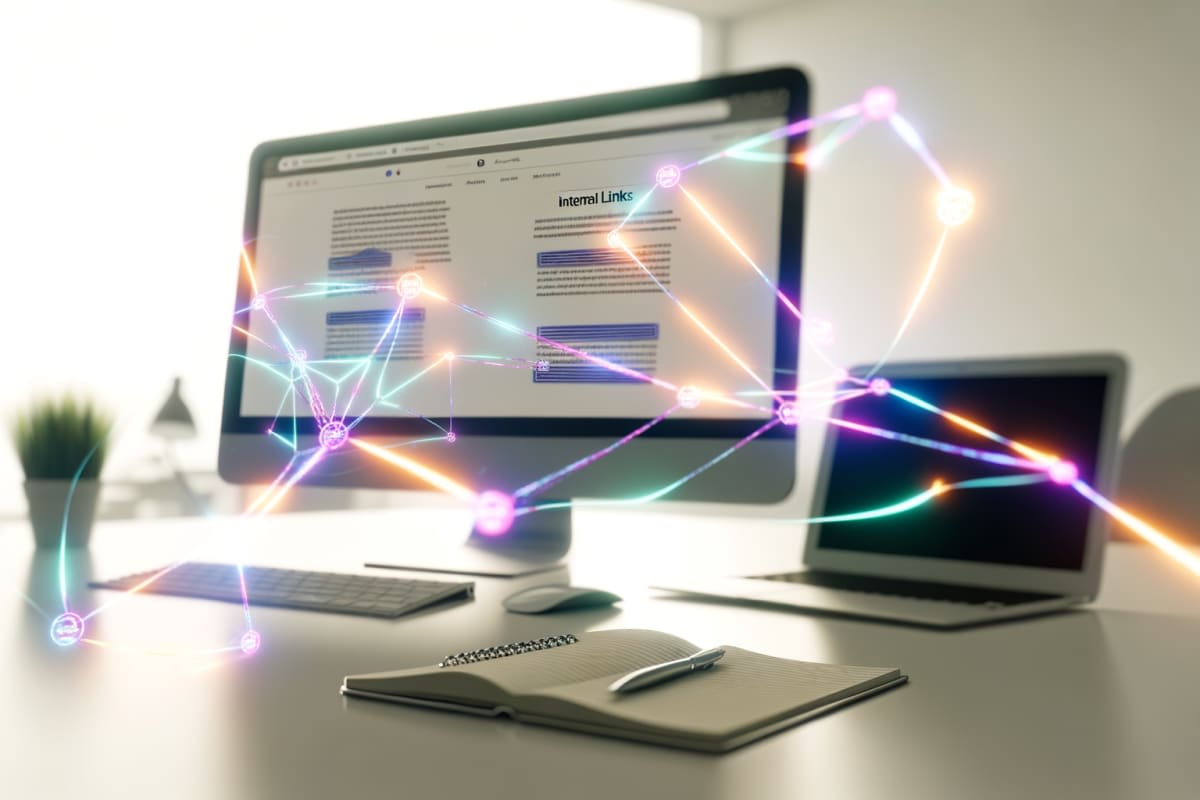
Internal linking refers to the practice of linking one page to another within the same website. This technique is like creating a web of pathways that contact us help users and search engines navigate your site more efficiently. For instance, if your website discusses various types of cheeses, an internal link might guide visitors from a page about Gouda to a related page on Edam. This seamless flow not only enriches the user experience but also enhances the interconnectedness of your content.
Why Internal Linking Matters for SEO
Internal linking is a cornerstone of effective SEO strategy. It assists search engines in understanding the structure and hierarchy of your website, which is pivotal for indexing. As Google’s algorithm becomes more sophisticated, it increasingly values the context and relevance provided by internal links. According to a 2021 study by Backlinko, pages with a higher number of internal links tend to rank better in search results. Moreover, internal links distribute page authority, known as "link juice," across your site, elevating the ranking potential of less prominent pages. By creating a well-linked website, you not only make it easier for users to find information but also optimise your site’s visibility in search engines.
Understanding the Basics of SEO and Internal Linking
Understanding the Basics of SEO and Internal Linking
How Search Engines Use Links
Search engines like Google employ complex algorithms to determine the relevance and authority of web pages. A crucial component of these algorithms is the analysis of links. External links, or backlinks, signal to search engines that other reputable sites vouch for your content, thereby enhancing its credibility. But it’s not just about the links coming to your site; search engines also scrutinise how you structure links within your site. Search engines crawl through these links, akin to a spider weaving through a web, to understand the hierarchy and relationship between your pages. According to a 2022 study by Ahrefs, about 66.31% of web pages have no backlinks, highlighting the importance of internal linking to ensure all your pages are indexed and ranked.
The Role of Internal Links in Site Architecture
Internal links act as navigational aids that guide both users and search engines through your website. These links connect one page of your site to another, thereby creating a coherent and structured site architecture. This is particularly important for improving user experience and ensuring that all content is easily accessible. For instance, a proper internal linking strategy can increase the average time users spend on your site and reduce bounce rates. An example of effective internal linking is Wikipedia; its extensive network of internal links keeps users engaged and increases page views. Furthermore, by strategically placing internal links, you can pass link juice (a term for the value or equity passed from one page to another) to boost the SEO performance of specific pages. As a rule of thumb, ensure that each of your pages is no more than three clicks away from your homepage to maintain an efficient structure.
Developing an Effective Internal Linking Strategy
Developing an Effective Internal Linking Strategy
Setting Clear SEO Goals
A well-crafted internal linking strategy is pivotal for enhancing your website's SEO performance. The first step in this process is to set clear and measurable SEO goals. You might be aiming for higher organic traffic, improved page authority, or increased user engagement. According to a study by HubSpot, websites with a structured internal linking approach can see a 97% increase in organic traffic. This underscores the importance of defining what success looks like for your site. If your goal is to improve the visibility of specific pages, ensure that these are linked prominently from various parts of your website. By setting precise goals, you create a roadmap that guides your linking strategy, ensuring every link serves a purpose.
Identifying Key Pages and Content
Once your SEO goals are set, the next step is to identify the key pages and content on your website. These are the pages that drive the most value, whether through conversions, high traffic, or strategic importance to your business. A practical approach is to conduct a content audit, using tools like Google Analytics to discern which pages are most visited and which have the highest conversion rates. For instance, a page with a high bounce rate but substantial traffic might benefit from additional internal links to encourage users to explore more of your site. In Dutch-influenced English, we'd say, "It's like putting the kettle on before the tea is brewed," emphasising the need to have your key content ready before linking. By prioritising these pages in your internal linking strategy, you can direct the flow of link equity effectively, boost user retention, and ultimately achieve your SEO objectives.
Best Practices for Internal Linking
Internal linking is a powerful tool for enhancing the navigability of your website and boosting SEO. Here, we explore some best practices that can help optimise your internal linking strategy.
Using Descriptive Anchor Text
Descriptive anchor text is vital for providing context to the reader and search engines alike. Rather than using generic phrases like "click here," opt for text that succinctly describes the linked content. For instance, if you're linking to a guide on sustainable farming, use anchor text like "sustainable farming techniques". This approach not only improves user experience but also enhances SEO by signalling relevance to search engines. According to a 2020 SEMrush study, descriptive anchor texts can increase click-through rates by up to 20%.
Linking to Relevant Content
Relevance is key when it comes to internal linking. Ensure that the content you link to is directly related to the topic at hand. This not only helps retain user interest but also strengthens the thematic connection between pages, which search engines favour. For example, if you are writing a blog post about Dutch cheese varieties, linking to an article about Dutch dairy farming would be more appropriate than linking to a recipe for pasta. A 2021 HubSpot report found that websites with relevant internal links saw a 15% increase in average time spent on page.
Maintaining a Natural Link Flow
A natural flow of links is essential for maintaining readability and user engagement. Avoid overloading your content with links; instead, integrate them seamlessly into the narrative. A good rule of thumb is to aim for 1-3 internal links per 500 words. In doing so, you create a smooth reading experience that guides users through your site organically. Moreover, maintaining a logical link structure helps search engines crawl your site more effectively, improving your site's overall SEO.
By implementing these best practices, you can enhance the usability and search engine performance of your website.
Common Mistakes to Avoid with Internal Linking
Internal linking is an essential aspect of website optimisation, but it's easy to make mistakes that can undermine your efforts. Here, I'll address some common pitfalls and how to avoid them.
"Success in content marketing isn't about creating more content, it's about creating content that creates more success."— Bloffee AI Expert
Overloading Pages with Links
One of the frequent mistakes is overloading pages with too many links. While it might seem beneficial to have numerous links guiding visitors to various parts of your site, it can actually be counterproductive. Excessive links can confuse both users and search engines, diluting the value of each link. Google's John Mueller advises maintaining a clear structure with a moderate number of links per page, suggesting that around 100 links are usually sufficient. Aim for quality over quantity, focusing on links that genuinely enhance the user experience.
Using Irrelevant or Generic Anchor Text
Another common error is using irrelevant or generic anchor text. Anchor text should clearly describe the content of the page it's linking to. For example, instead of using "click here," which provides no context, opt for descriptive phrases like "learn more about sustainable energy." This approach not only aids in user navigation but also signals to search engines what the linked page is about, potentially boosting your SEO.
Neglecting Deep Links
Neglecting deep links can also hinder your site's performance. Many site owners concentrate links on popular pages, but it's crucial to distribute links evenly across your site, including deeper pages. Deep linking enhances your site's structure and helps search engines index your site more comprehensively. According to Moz, a well-structured internal linking strategy can significantly improve your page authority, which is a key factor in search rankings.
Avoid these mistakes, and your internal linking strategy will be much more effective in improving both user experience and search engine performance.
Tools and Techniques for Optimizing Internal Links
Optimising internal links is a cornerstone of effective SEO strategy, enhancing site navigation and distributing page authority. Selecting the right tools and employing manual techniques can significantly boost your internal linking efforts.
SEO Tools for Internal Link Analysis
Several robust tools are available for conducting internal link analysis. Ahrefs, for instance, offers an Internal Link Opportunities report that identifies pages with high authority that could pass on link juice to less prominent pages. According to Ahrefs, internal links can help improve page rankings by up to 15%. Similarly, SEMrush provides an in-depth Site Audit tool that highlights broken links, which can be detrimental to user experience and SEO. Another useful tool is Screaming Frog, which crawls your site to present a comprehensive overview of your existing internal link structure. By leveraging these tools, you can identify gaps and opportunities in your link strategy, allowing you to make data-driven decisions.
Manual Techniques for Link Optimisation
While tools offer significant insights, manual techniques also play a vital role in link optimisation. Start by conducting a thorough content audit to identify top-performing pages. You can then manually insert links from related content, thereby enhancing the flow of link equity. Additionally, using descriptive anchor text is crucial, as it provides context to both users and search engines. For example, instead of using "click here," opt for more descriptive text like "learn how to optimise your internal links." Furthermore, regularly updating your content to include links to newer pages keeps your site dynamic and relevant, contributing positively to SEO.
By combining the power of sophisticated tools and traditional manual methods, you can effectively optimise your internal links, ultimately improving your site's SEO performance and user experience.
Measuring the Impact of Your Internal Linking Strategy
Measuring the Impact of Your Internal Linking Strategy
Key Metrics to Track
In the realm of SEO, internal linking plays a pivotal role in enhancing site navigation and distributing page authority. To gauge the efficacy of your internal linking strategy, focus on key metrics like the average session duration and bounce rate. An increase in average session duration, for example, often indicates that users are engaging more deeply with the content, driven by effective internal links. It's also beneficial to track the number of pages viewed per session, as this can provide insight into user engagement and the intuitive nature of your link structure. According to a study by SEMrush, sites with well-structured internal links can witness up to a 40% increase in the number of pages viewed per session.
Case Studies and Data Insights
A case study by Moz examined how a comprehensive internal linking overhaul significantly improved site performance. After restructuring the internal links, they observed a 25% reduction in bounce rate and a 30% increase in organic search rankings. This try our demo demonstrates how internal linking not only affects user engagement but also enhances search engine visibility. Another example is from HubSpot, which documented a 15% rise in organic traffic after strategically placing internal links on high-performing pages. The data suggests that a well-implemented linking strategy can elevate your site's overall SEO performance, driving both engagement and traffic.
By tracking these metrics and analysing case studies, businesses can tailor their internal linking strategies to maximise success, ensuring both user satisfaction and search engine optimisation.
Conclusion and Next Steps
Conclusion and Next Steps
Recap of Key Points
In our exploration of internal linking strategies, we have underscored the importance of internal links for enhancing site navigation, distributing page authority, and improving user experience. We discussed how internal links can bolster your SEO efforts by enabling search engines to better understand and index your site’s content. Additionally, we highlighted the significance of using relevant anchor text and maintaining a logical site structure to maximise these benefits.
Actionable Steps to Implement Internal Linking Strategies
To effectively implement these strategies, begin by conducting a comprehensive audit of your website to identify existing internal links and potential opportunities for improvement. Use tools like Screaming Frog or Ahrefs to map your current link structure. Next, prioritise linking high-performing pages to those that need a visibility boost. Ensure your anchor text is descriptive and contextually relevant, as this aids both users and search engines in understanding the content. Regularly update and expand your internal links as you add new content to maintain a dynamic and interconnected site. By adopting these practices, you can expect to see enhanced user engagement and improved search engine rankings, with studies showing a potential increase in organic traffic by up to 40% when effectively executed.
Frequently Asked Questions
What is internal linking and why is it important for SEO?
Internal linking refers to the practice of linking one page of your website to another page on the same site. This helps search engines like Google to understand the structure of your website and the relationships between pages. Internal links can distribute link equity across your site, helping to increase the ranking potential of important pages. Moreover, they improve user navigation, which can reduce bounce rates and increase time spent on site, both of which are positive signals to search engines.
How many internal links should each page have?
Geen specifieke number fits all situations, but generally, aim for a minimum of 3 to 5 internal links per page. This ensures that each page is sufficiently connected within your site’s structure. However, the number can vary depending on the length of your content and the complexity of your site. Always ensure that the links are relevant and provide value to the reader.
Which pages should I focus on when creating internal links?
Prioritise linking to pages that are most important for your business objectives, such as key product or service pages. Additionally, pages that already have high authority and traffic can help distribute their value to other pages, so consider linking from these as well. Using tools like Google Analytics can help you identify these priority pages.
What anchor text should I use for internal links?
Use descriptive and relevant anchor text that gives users, and search engines, a clear idea of what to expect from the linked page. Avoid generic phrases like 'click here'. Instead, use specific keywords that relate to the content of the destination page, which can improve your SEO by signalling the topic to search engines.
Can too many internal links be detrimental to my SEO efforts?
Ja, overloading a page with internal links can be counterproductive. It may dilute the link equity being passed and can also overwhelm users, creating a poor user experience. Focus on creating a balanced and logical structure that enhances usability and supports your overall SEO strategy.
Want automated content like this?
Discover how Bloffee can automate your content marketing with AI-driven solutions